
When we hear the name Thomas Edison, it’s most likely the invention of the light bulb that comes to mind and how it changed the world. Few today know how the great inventor once tried to dim the growth of the American film industry—and inadvertently sparked the birth of Hollywood.
In the early 20th century, Edison held many of the key patents for motion picture technology. He aggressively enforced them, often suing filmmakers on the East Coast and stifling filmmaking creativity and innovation in the process.
The Edison-led Motion Picture Patents Company (MPPC), known as the Edison Trust, effectively formed in 1908 to shut down competition.
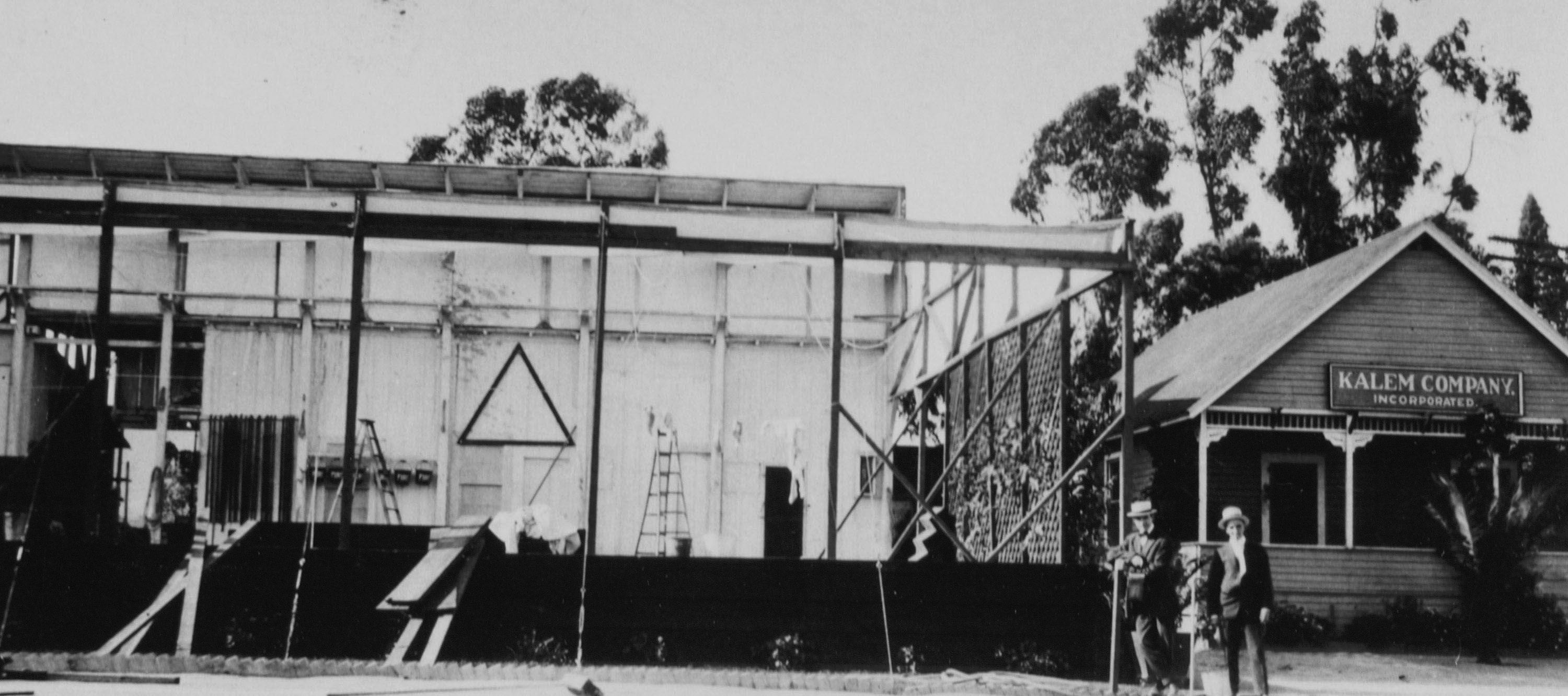
To escape Edison’s influence and avoid patent infringement lawsuits, many filmmakers fled the East Coast for Los Angeles. In Southern California, they found an ideal refuge: freedom from Edison’s influence, a more favorable legal environment, and the “picture-perfect” place to make movies.
For one, SoCal’s warm, sunny climate allowed for year-round outdoor film-ing—a crucial element for early cinema, which relied heavily on natural light.
This was quite a difference from the East Coast, where unpredictable weather could throw filming schedules to the wind (or worse). Los Angeles offered a reliable location for consistent shooting that helped movie studios be significantly more productive.
In addition, the region’s stunning beaches, deserts, mountains, and forests seemed custom-ordered for various film genres, especially Westerns. In 1910, the first film ever shot in Hollywood was D.W Griffith’s silent Western, “In Old California.” The southern part of what would become known as the Golden State helped create the Golden Age of Hollywood because of its geographical diversity which let filmmakers shoot a wide range of stories without the need for extensive travel.
The growth of financial and production facilities in Los Angeles made the city an even more appealing location.
Major studios like Universal, Paramount, and Fox established themselves in Hollywood and grew into a self-supporting ecosystem—one where accessing talent, resources, and new production methods became easy.
Being close to the Pacific Coast also improved logistics, making transporting films, equipment, and talent simpler than studios on the East Coast. All these things made filmmaking more efficient.
The “Big 5” that became known for the classical Hollywood system—Metro- Goldwyn-Mayer, Warner Bros., Paramount, Fox, and RKO—grew into major players by the 1920s that not only controlled movie production but the distribution and exhibition of them as well. In the 1920s and 1930s, Universal Pictures, Paramount Pictures, and Warner Bros owned most first-run theaters in the United States.
Which brings us back to Edison.
While Edison’s legal pressures may have spurred the movie industry to move from the East Coast to Los Angeles, it was ultimately a combination of favorable weather, beautiful landscapes, and a growing infrastructure that turned Los Angeles into a film paradise.
Although the Edison-led MPAA tried in 1908 to control the movie industry, the monopoly instead helped give birth to Hollywood—where the famous Hollywood sign remains a symbol of the movie industry after first being illuminated on Dec. 8, 1923.