
Fountain Valley resident Sue Maghy has spent the past three and a half years kayaking Huntington Harbor every week—not just for exercise and fresh air, but to pick up trash. By her estimate, she’s pulled more than 3,000 pounds of garbage from the waterway.
How did you get started?
I’ve always loved being near the water, but the ocean is too cold most of the year.
Kayaking seemed like the perfect alternative. I paddle in the mornings, when the water is calm and there’s no wind.
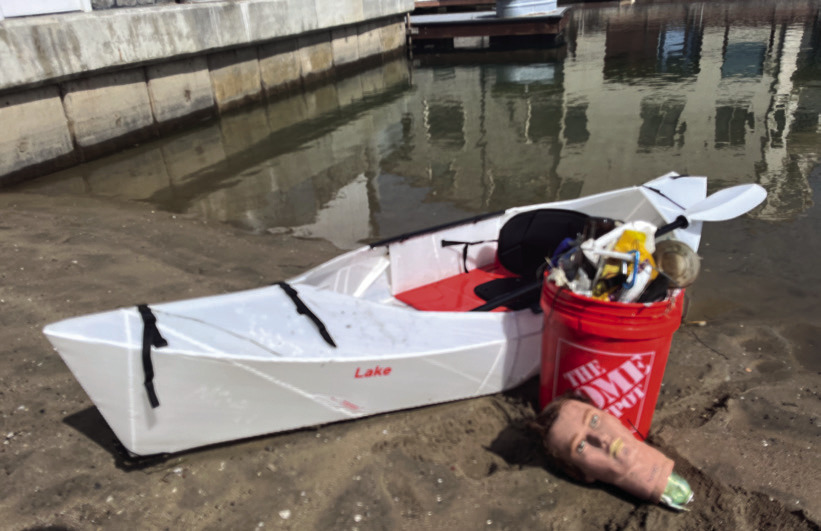
At first, I hesitated to invest in a kayak—until I discovered the foldable Oru kayak, which weighs only 18 pounds and folds into the size of a large suitcase.
That made it easy to take out whenever I wanted.
On my very first trip, I saw a sea turtle! I’ve lived here more than 40 years and had no idea we had turtles in the harbor.
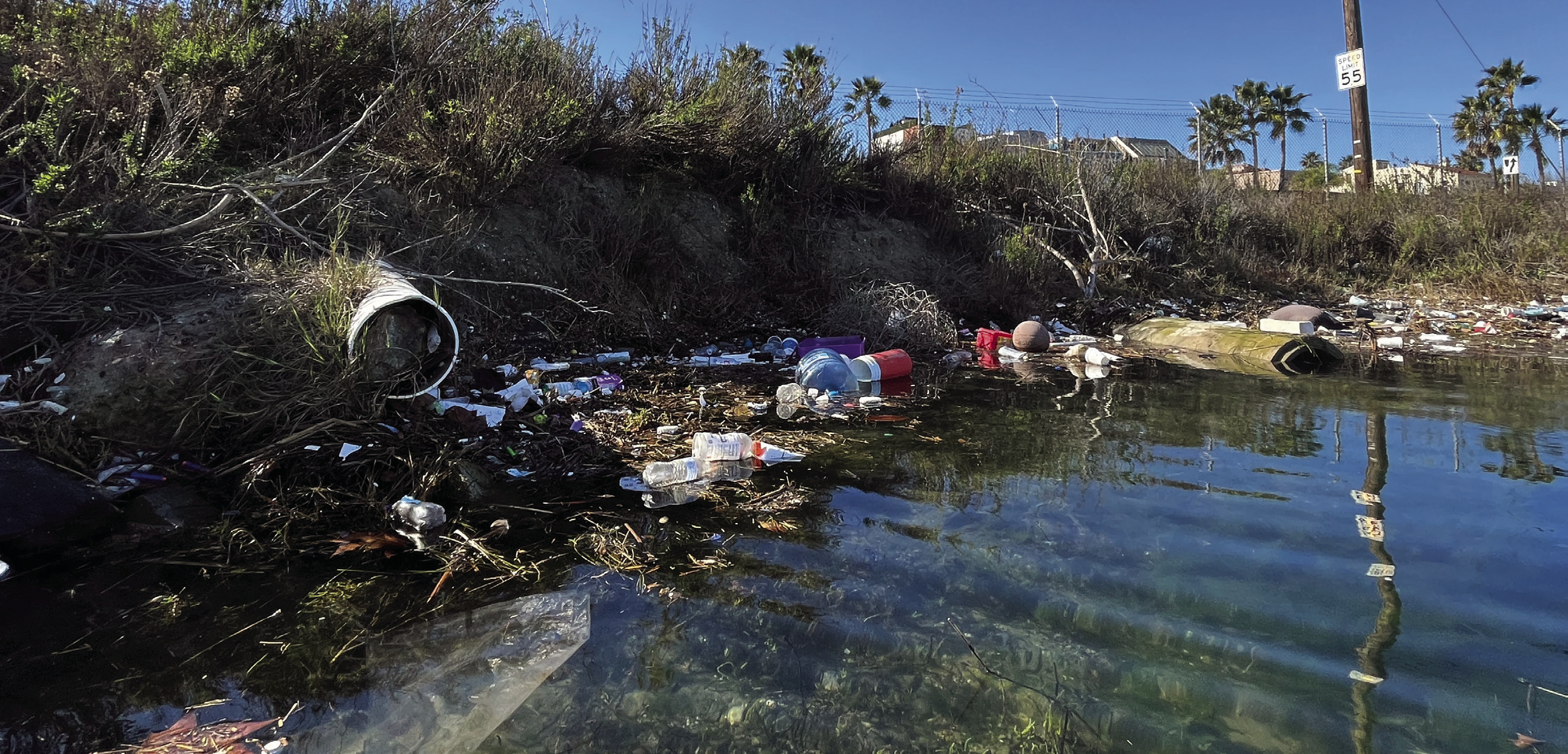
But I also noticed a lot of trash floating in the water.
The next week, I brought gloves and a bag, and that became part of my routine. It turned into the perfect blend of exercise, fresh air, and doing something positive for the environment.
Along the way, I’ve also enjoyed watching the birds. The harbor and Bolsa Chica wetlands are along the Pacific flyway for migratory birds.
Right now, for example, the buffleheads are here after their long flight from Alaska—they’ll stay for the winter before heading home again in the spring.
Any unusual trash?
Honestly, all of it feels unusual, because none of it belongs in the water. The most common things I find are bottles, cups, wrappers, and plastic bags. But the strangest? A mannequin head caught in the weeds of the wildlife area. It startled me—thankfully it was just plastic!
Where does the trash come from?
It’s easy to blame “somewhere else,” but the truth is, trash comes from both inland and right here in the harbor.
In November 2022, I found a large campaign sign from Anaheim—about 15 miles away. Trash can travel down waterways and end up here.
But I also find things left by locals.
For example, maintenance cards from boat-cleaning companies. They attach these cards to boat tie lines with rubber bands, and on windy days those cards blow straight into the water.
Styrofoam is another problem. Chunks often break off older, unmaintained docks, and fishing line gets tossed into the water instead of being properly disposed of. So, the trash is a mix of local sources and inland runoff.
Any recommendations for reducing trash?
• Bring reusable bags when shopping
• Carry a refillable water bottle instead of buying plastic
• Skip single-use plastics (straws, utensils, cups)
• Use your own mug—Starbucks and many cafés will fill it
• Shop in bulk with reusable containers or jars
• Pick up a few pieces of litter on your next walk or beach visit
• Small steps = big impact for our harbors, beaches, and wildlife And if you’d like to do more, bring a bag and gloves on your next walk and pick up any litter you see. I look forward to the day when I go out for my paddle and come back with an empty trash bucket.