

As I pulled my vehicle into the garage, I smiled as I was “happy tired.” I was looking forward to an evening of dinner with friends and reading a new bestseller. I am one of the 28% of adults age 65 and older who live alone, and I have lived on my own for 14 years.
Living alone does not have to be filled with isolation and longing for your previous life. With guidance from those who continue to live fulfilling lives as single, retired adults, it may become exactly what many consider their golden years.
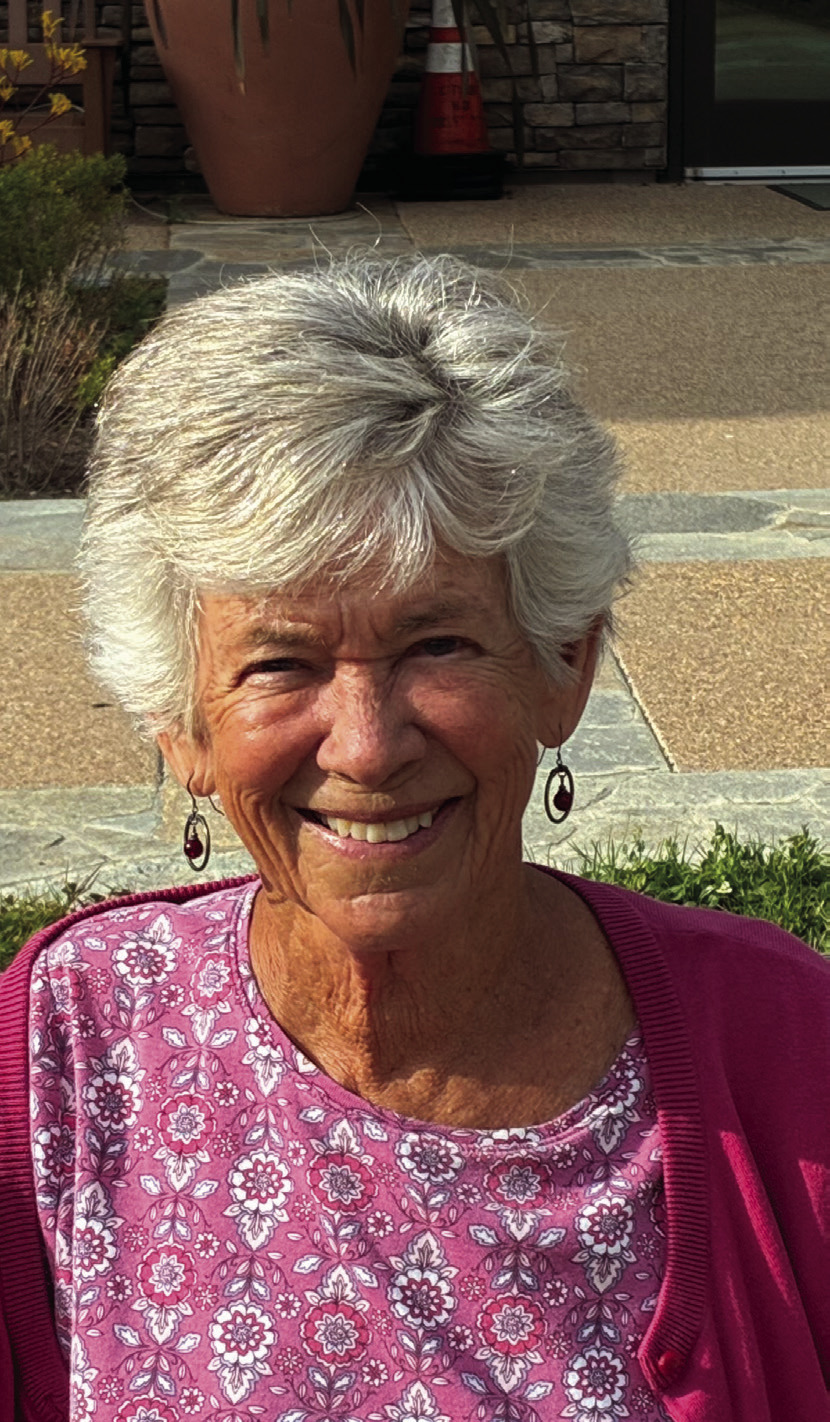
Janis, a retired teacher, says the first thing you should do if you suddenly find yourself living alone is consult a financial adviser. As a single person, you are relying on one income to cover housing, groceries, insurance and home maintenance.
You might want to consider downsizing your living arrangement so your monthly income covers all expenses and still leaves you money to enjoy your newfound freedom. Janis also recommends creating a plan for how you will spend your time away from a full-time job. Explore activities, programs and services available to seniors.
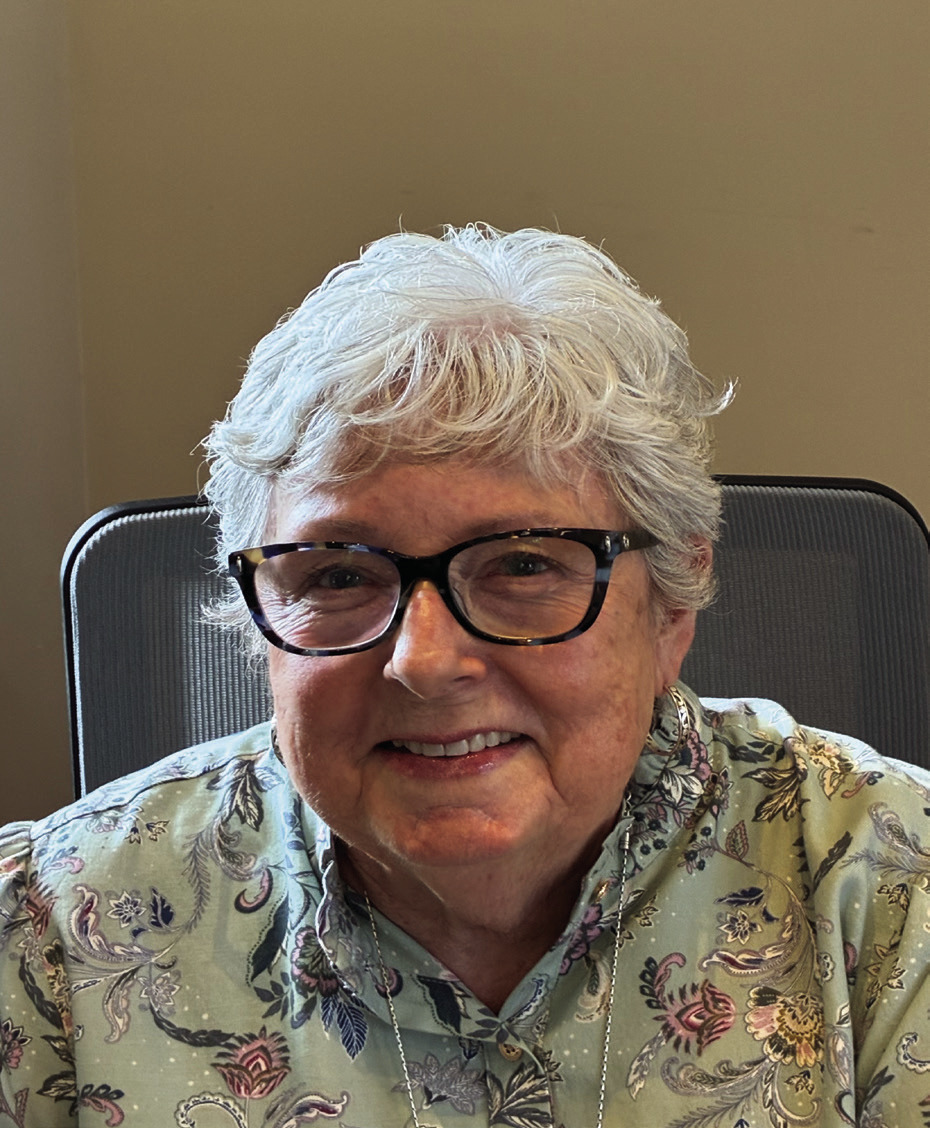
Linda, a former science teacher, cautions against volunteering for so many activities that you become overwhelmed. Her advice is to follow your heart and pursue the things you enjoy, whether that is reading, gardening or playing cards with friends.
After leaving your job behind, the people you interacted with daily may be busy with their own careers and responsibilities. Your emotional well-being is an important part of a successful retirement as you navigate life as a single person.
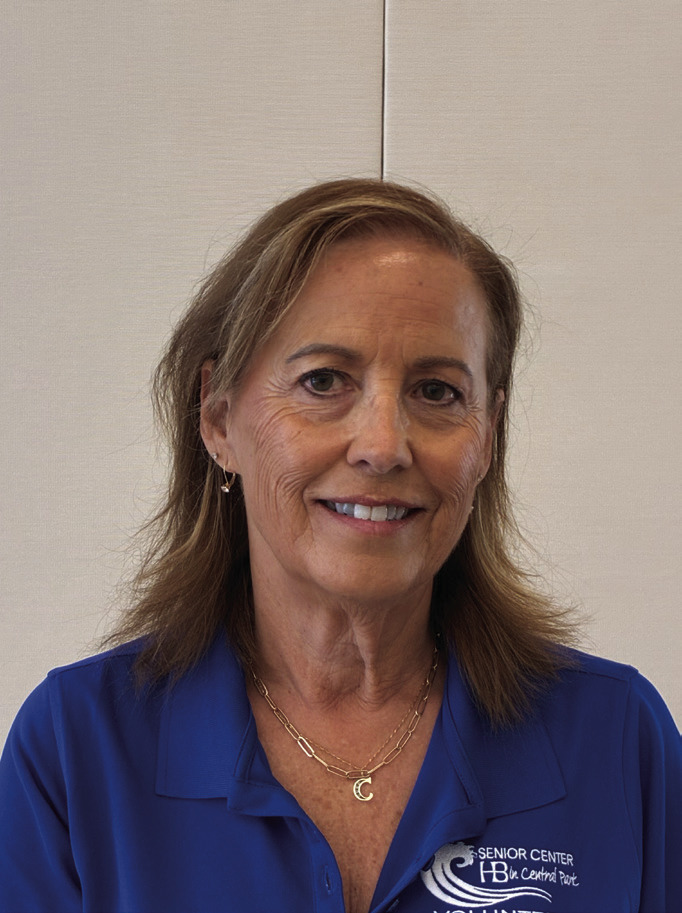
Cindy, a retired accountant, encourages retirees to stay active. Maintain a routine of activities that gets your heart pumping. Being alone and neglecting your health can contribute to high blood pressure, heart disease and cognitive decline. Continue to eat nutritious meals and consider turning mealtime into a social gathering where friends can share healthy recipes and companionship.
Retirement can sometimes feel like a roller coaster, balancing pride in your independence with moments of anxiety or loneliness. Remember you have control over your decisions, how to manage your own schedule, and being flexible without considering someone else in the home.
At 83, my neighbor Bill is an outgoing and positive person. He has many thoughts on single retirement, including the importance of living near relatives who can provide support during emergencies and offer regular interaction.
He laughingly told me about “Pickle Night,” a weekly gathering involving about 20 family members every Friday evening. Using the internet, participants compete to answer Bill’s pickle-themed riddles and jokes. The first person to answer correctly wins a pickle. Family members affectionately call him “Admiral Gherkin.” It is a creative way to stay connected across generations. Bill also emphasized that his faith provides a strong foundation and helps him maintain a positive outlook.
Another friend shared that travel has helped her feel young and energized while providing opportunities to meet interesting people. This is where sound financial planning can make a difference, allowing retirees to explore the world without worrying about everyday expenses.
As we age, safety becomes increasingly important at home. Ask a relative or friend to evaluate your living space and offer suggestions for making it safer and more comfortable. Eliminating tripping hazards and improving accessibility can help create a secure sanctuary for years to come.
Retiring alone can be rewarding if you plan ahead financially, emotionally and physically. Join your local senior center, participate in a book club, take walks in the park or travel to a new destination. Most importantly, get out and enjoy life and the people around you.