
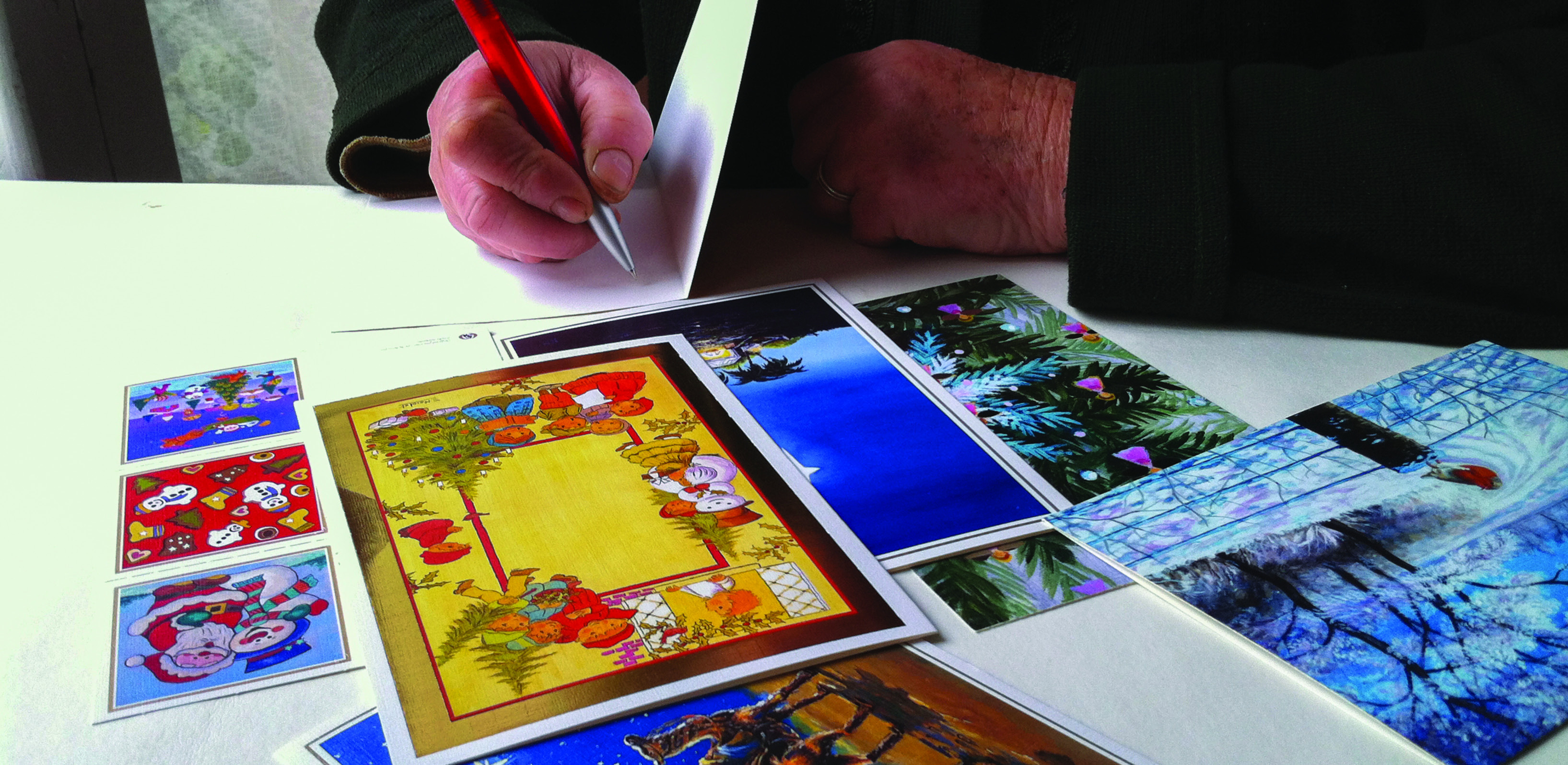
As the holiday season approaches, many of us dive into the tradition of sending and receiving Christmas cards. But have you ever stopped to think about how this custom began?
The tradition dates to the mid-19th century, with its origins rooted in England. In 1843, an English artist named John Calcott Horsley created the very first commercial Christmas card, commissioned by Sir Henry Cole. It showcased a cheerful holiday gathering and featured the now-iconic greeting, “A Merry Christmas and a Happy New Year to You.” The simple card sprouted a tradition that spans the globe.
Christmas cards were revolutionary for their time, offering a new way to connect with loved ones. During an era when people primarily communicated through letters or in person, these little pieces of art provided a convenient and heartfelt means to spread holiday cheer. Each card carried warm wishes, inviting friends and family to share in the joy of the season — a spirit of connection and goodwill that remains central to the charm of Christmas cards today.
Fast forward to our modern digital age, where social media and e-cards reign supreme. The question arises: do we still send Christmas cards? According to research conducted by AmericanGreetings.com on the 2021 holiday season, the answer is a resounding yes! Despite the convenience of quick emails and instant messages, 73 percent of Americans report sending holiday cards, and 60 percent say they send holiday cards consistently each year.
The handwritten card, in particular, holds a special place in our hearts. There’s something incredibly personal about receiving a beautiful card in an envelope. It’s a small yet significant gesture in an increasingly fast-paced world.
For many, sending holiday cards is about more than just words on paper.
It’s an expression of thoughtfulness, a tangible reminder of relationships we cherish. The act of writing and sending cards becomes a moment of reflection amidst the holiday hustle, allowing us to appreciate connections that might otherwise fade in the chaos of life.
Moreover, there’s a unique joy in displaying these cards during the season. Many households turn their living rooms into festive galleries filled with Christmas greetings, creating an atmosphere of warmth and community. Each card is not just a message but a keepsake, a little piece of the sender's heart that can be cherished long after the holidays have passed.
So, while the world has transformed into a digital landscape, the tradition of sending Christmas cards lives on. It’s a sweet bridge connecting the past to the present, reminding us of the importance of relationships and the simple joy that comes from sharing love and goodwill.
As you prepare your list of recipients this year, remember that your Christmas card could brighten someone’s holiday in a beautiful way.