
You’ve probably heard about tourists swamping Japan. This tourist went, anyway. In October, my husband Mike and I visited a trio of Japan’s major cities: Tokyo, Kyoto and Osaka.
As it turned out, late autumn crowds were quite manageable. Another pleasant surprise: With the dollar in Japan so strong, all that delicious sushi and tempura added up to a deal.
Tokyo is a visual delight — with modern skyscrapers towering over ancient temples. It’s also sparklingly clean — not a carelessly tossed piece of trash in sight.
While occasionally braving the massive subway system, we also grabbed cabs —which can get pricey in the sprawling city metropolis.
Among a few temples, many dating back more than 1,000 years, we visited the gorgeous grounds of the first family’s Imperial Palace — which itself cannot be entered.
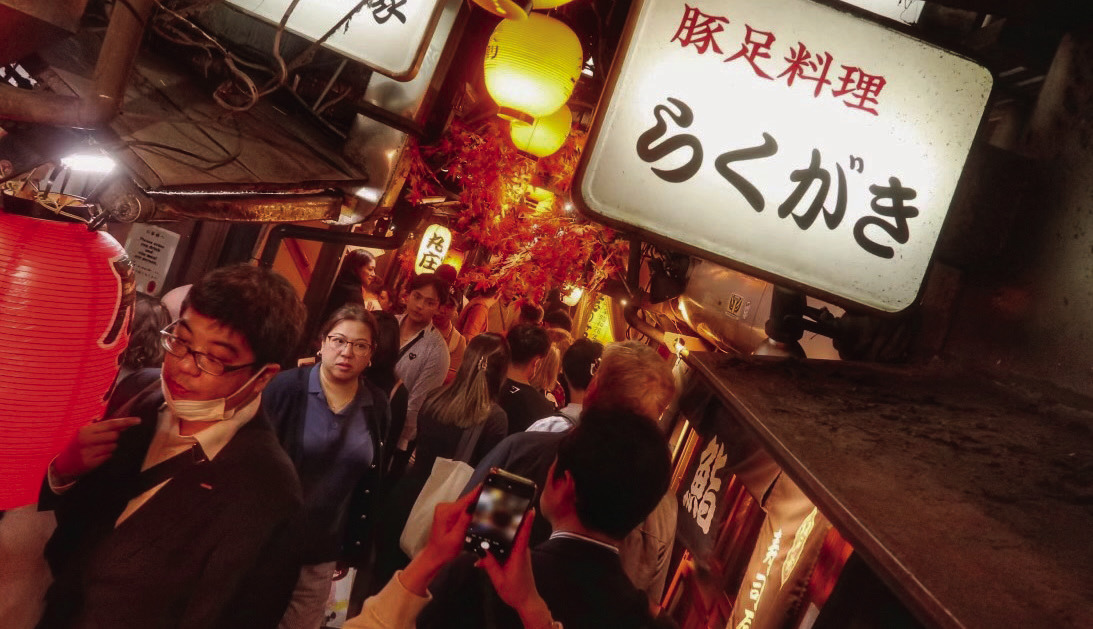
But our favorite Tokyo experience — and favorite night of the entire trip — was exploring the vibrant Shinjuku district (think Times Square). Two young entrepreneurs, Sato and Ken, showed the way. (To book, go to “Shinjuku Explore Tokyo with Japanese Food and Izakaya” on Viator.)
The college buddies took us to a sake bar and a couple of snug restaurants — including one where we grilled our own savory pancakes. They even introduced us to a lively five-story arcade, with an entire floor dedicated to wacky photo booths, where we got a peek at the Japanese youth culture.
Another “best experience” was attending a Goma fire ritual at Fukagawa Fudo Temple, unfrequented by tourists. This 30-minute ceremony features monks chanting, beating small drums and blowing conch shells. Mesmerizingly, it all culminates with the pounding of a huge taiko drum.
For our next stop, we zipped west to Kyoto at 200 miles per hour on a barebones but efficient bullet train.
Stunningly beautiful Kyoto was the capital of Japan for more than 1,000 years until 1868, when the imperial court moved to Edo and renamed it Tokyo.
A must-see site is the unforgettable Shinto shrine Fushimi Inari Taisha, which sits at the foot of Mount Inari. Its famous 10,000 vermilion torii gates line a gentle 2.5-mile path up the mountain.
Creating an open-air tunnel, the gates are tall wooden columns resembling orange telephone poles. They endure the elements for only about 20 years, so local businesses constantly donate replacements — a tradition that started centuries ago.
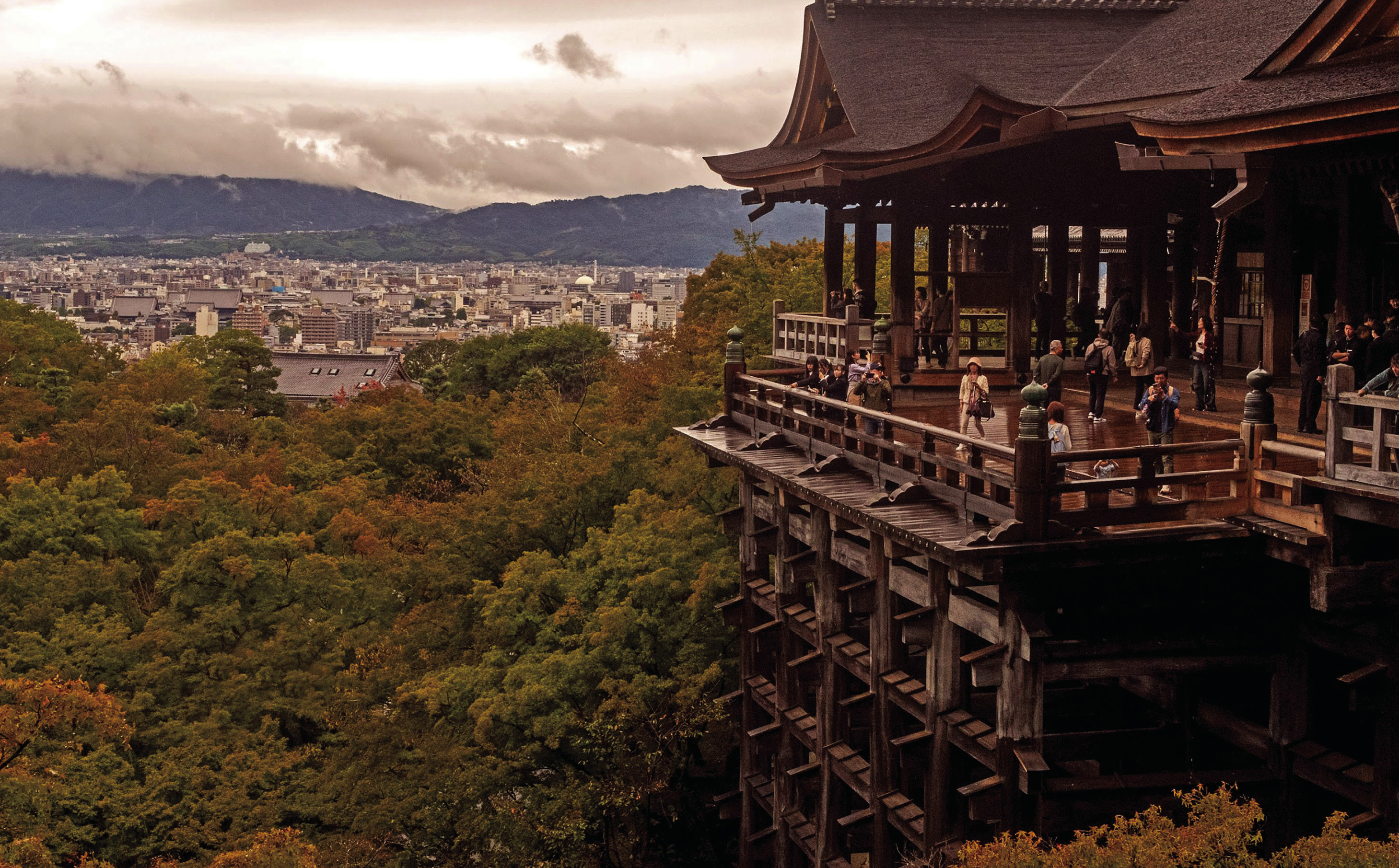
Nor should you skip the Kiyomizudera Temple, carved into a wooded hillside.
Its large deck provides breathtaking views of Kyoto. Paths throughout the grounds offer endless beauty. Visitors can drink from a waterfall using cups attached to long poles.
Also, don’t miss Philosopher’s Path — a peaceful, cherry tree-lined walkway that follows a canal. Surreally, it’s only one mile long but peppered with temples, shrines, shops and cafes.
One end of the path brings you to the tranquil Honen-in Temple. Cross a stone bridge over a pond to manicured grounds that feel like a secret garden.
In the evening, we wandered the enchanting narrow streets of Gion, Kyoto’s geisha district. Yes, we did spot one elegantly attired geisha strolling by.
Understandably, it is considered rude to approach geishas as though they’re curiosities.
Our Japan adventure ended with Osaka, only 35 miles from Kyoto.
Osaka is considered the cuisine hub of Japan, and we did eat well. However, we shortchanged its attractions, spending our only full day in the 8th century capital of Nara — a wonderful side trip.
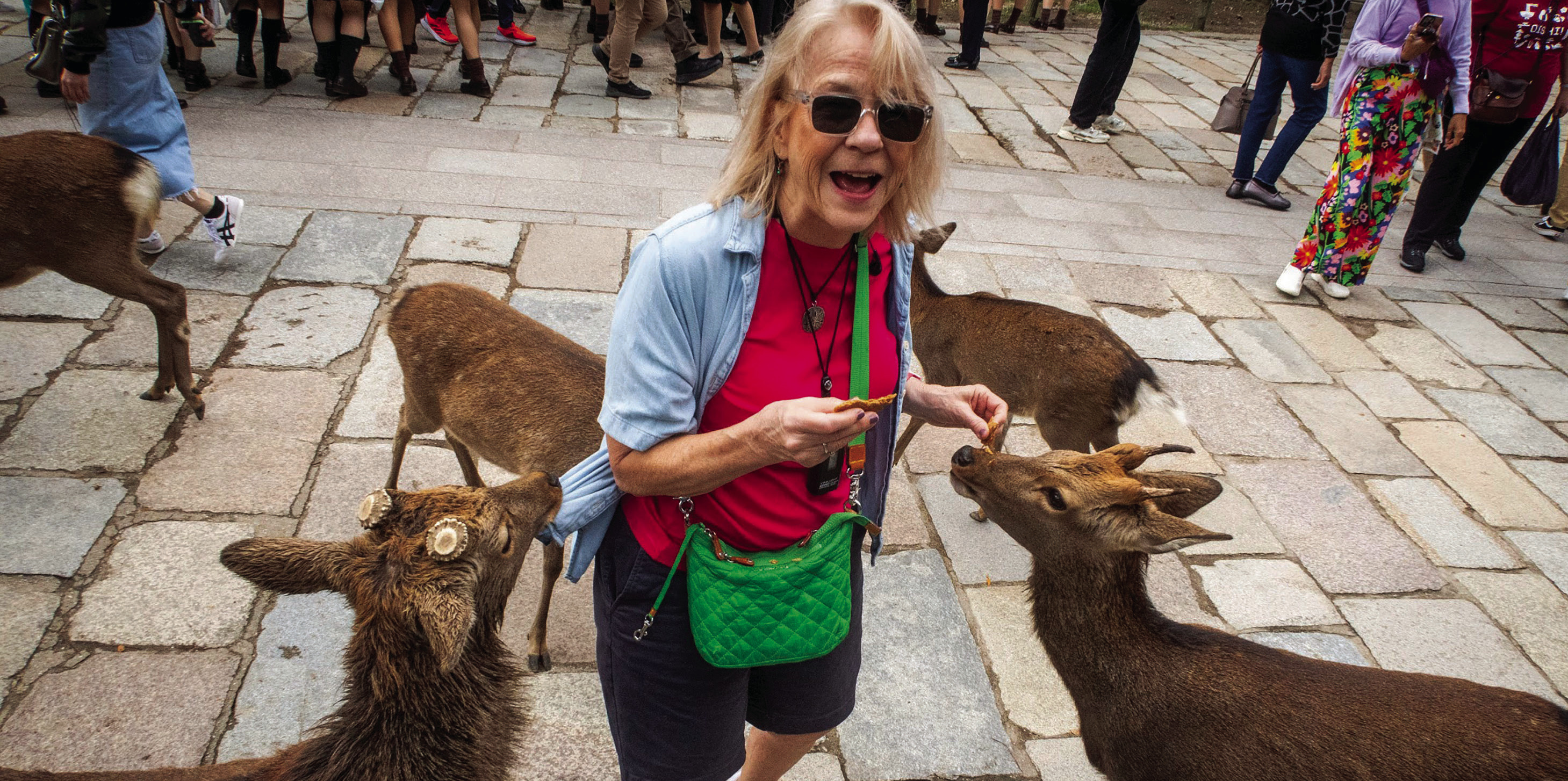
We were greeted by the tame deer that roam Nara Park. Purchase treats to feed them at your own tolerance level.
They’re aggressive little buggers — humorously, not dangerously, so.
Nara is known for its exquisite wooden Todai-ji Temple, home of the Great Buddha bronze statue rising over 50 feet high. A bordering forest surrounds the Kasuga Grand Shrine, displaying some 3,000 hanging bronze and stone lanterns.
Tip: Our nine days in Japan was not enough. Stay longer!