
As the new year rolls around, it offers many people a chance for a fresh start. New Year’s resolutions are set, festivities with family and friends are hosted, and the holiday season comes to an end.
For more than 1.5 billion people worldwide, however, the new year does not begin until later. Lunar New Year starts on the second new moon after the winter solstice, which this year falls on Feb. 17. Observed as a national holiday in at least a dozen countries, Lunar New Year marks the beginning of the lunisolar calendar.
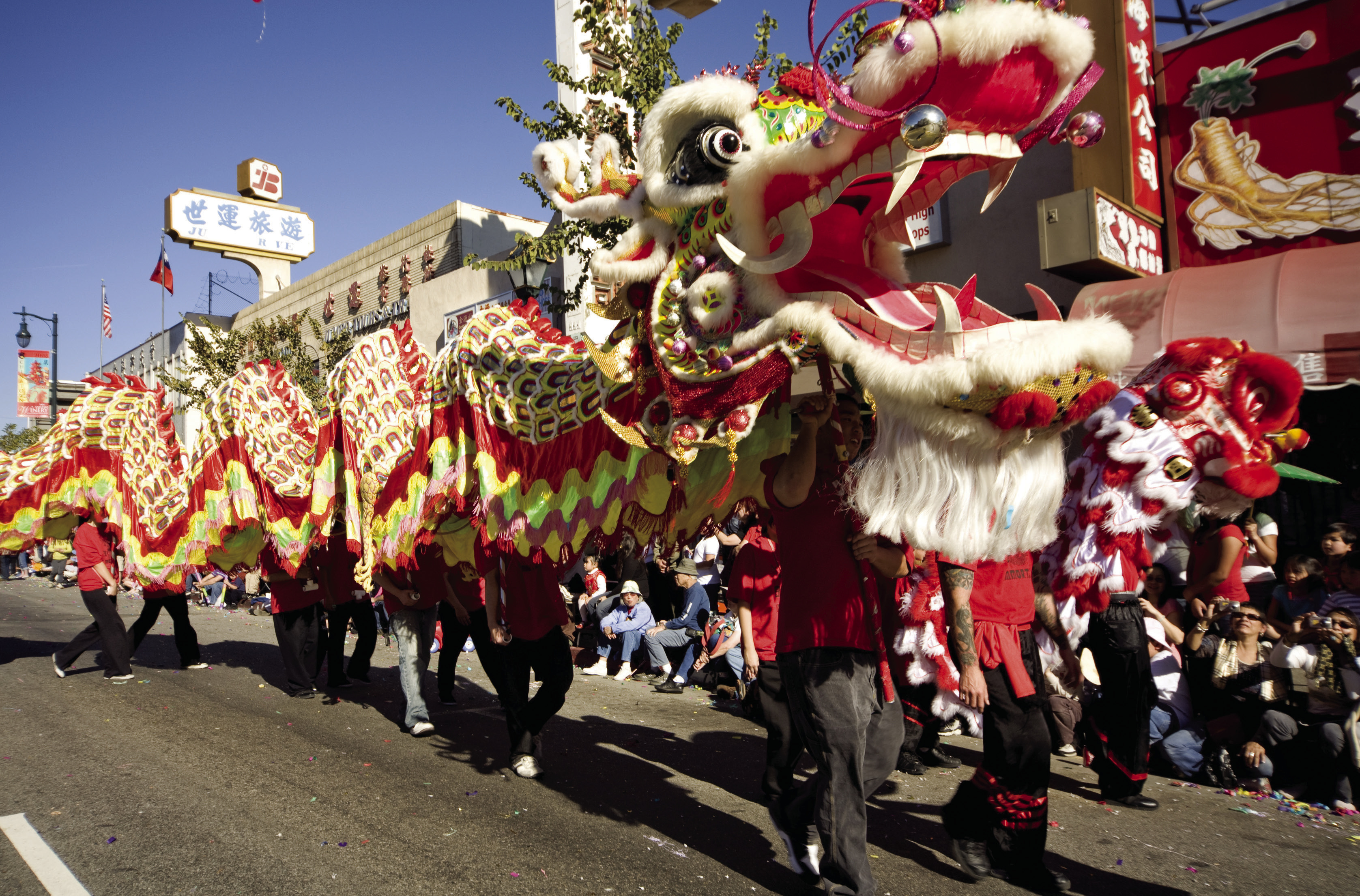
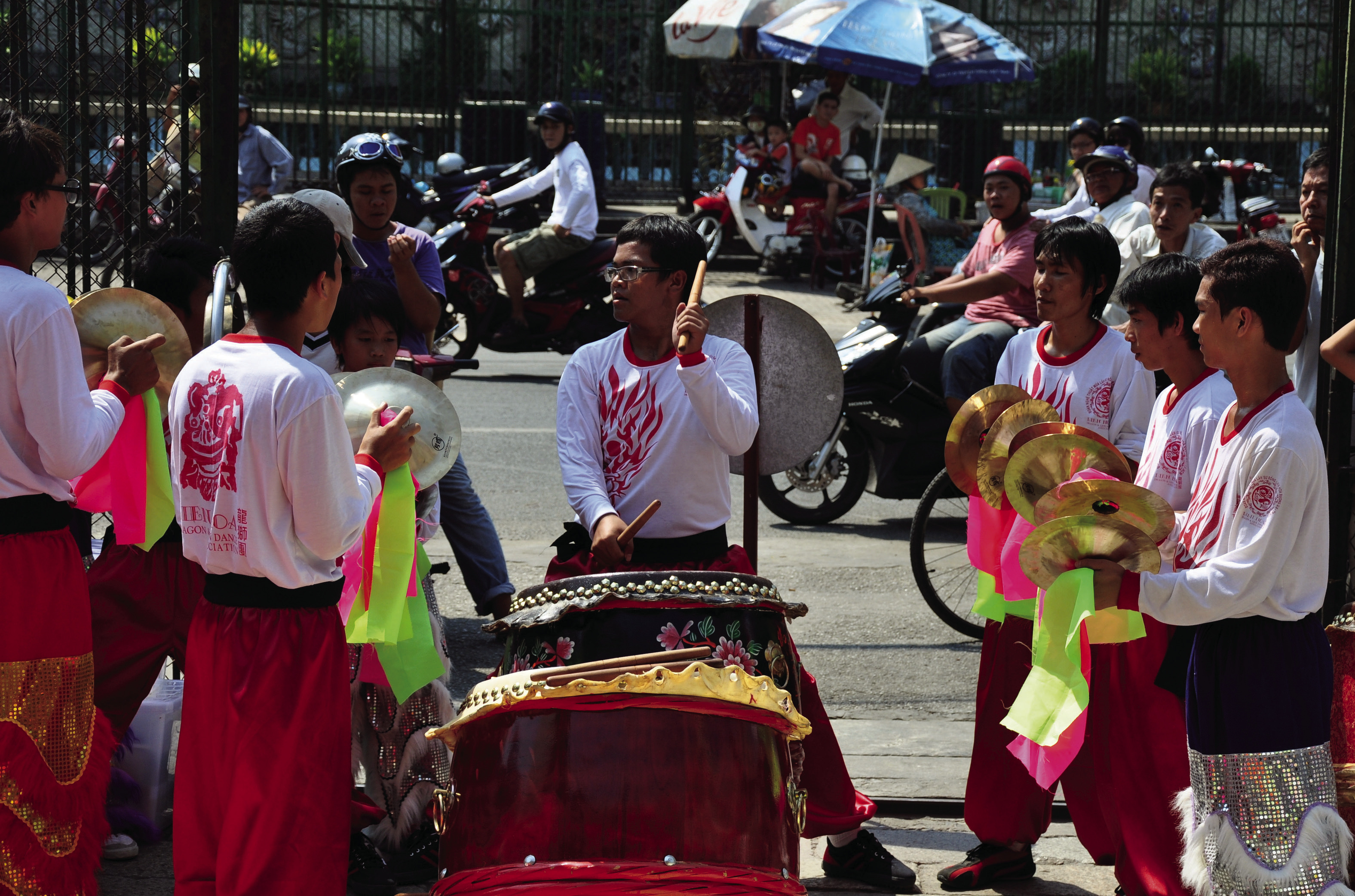
Many cultures celebrate the Lunar New Year by performing the iconic lion and dragon dances, as well as handing out red envelopes for good luck and fortune. Traditions such as cleaning the home the night before and setting off celebratory fireworks and firecrackers are also common.
While traditions often overlap, each culture brings its own unique customs and meaning to the celebration.
CHINESE
On the eve of the new year, family members, especially those travelling far from home, gather for a reunion dinner. Afterward, many stay awake to launch fireworks and use bright lanterns to deter a mythical beast known as the Nian — said to try to harm and terrorize residences during that night. This year, the official holiday will last nine days, while the celebrations span 16 days.
KOREAN
While Christmas is time for Koreans to spend with friends or go on dates, Seollal places a greater emphasis on spending time with family. It is celebrated for three days, including one day before and one day after. Children perform sebae, a practice that consists of kneeling followed by a deep bow, for their elders.
Many wear the traditional hanbok, a traditional piece of Korean clothing, and eat tteok mandu-guk, a soup with rice cake and mandu — dumplings with minced meat, vegetables, and sometimes kimchi.
VIETNAMESE
A few days before Tết, each family performs a ceremony to send the Kitchen Gods to heaven and report on the family’s household behaviors — a record of good and bad actions throughout the year. The Kitchen Gods are tasked with protecting the family’s household, including its kitchen, and are welcomed back in a second ceremony on the eve of Tết.
On the family’s altar sits a five-fruit tray, where each fruit is carefully selected for its symbolic meaning and presented as an offering to ancestors. Popular food includes bánh chưng and bánh tét, also known as sticky rice cakes.
MALAYSIAN AND SINGAPOREAN
Celebrations in Malaysia and Singa- pore last for 15 days, but the public holiday lasts only for two days. Due to the range of ethnic backgrounds within both countries and cultures, many families host an “open house” welcome to all friends, family, and community members, with a special emphasis of welcoming all races and religions.
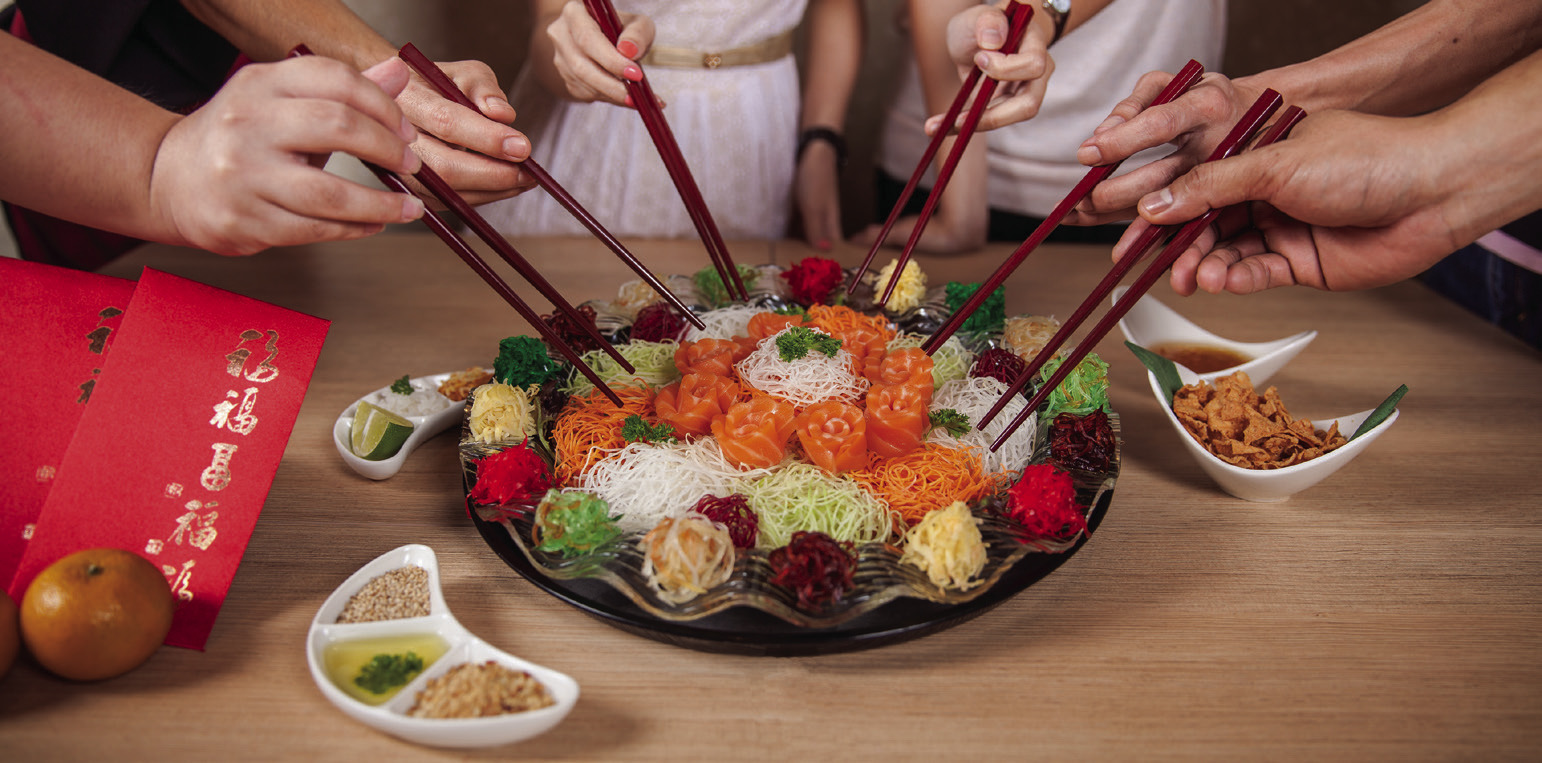
Local leaders organize larger-scale open houses for community dinners. Additionally, Lo Hei is a communal prosperity toss involving a raw fish and shredded vegetable
salad, where each ingredient is added one by one.
The Tsinoy Lunar New Year was only recognized as a public holiday by the Philippine government in 2015. Tikoy, a type of rice cake, is now increasingly common across grocery stores, and each family’s dinner table has twelve round, golden-hued fruits to represent fortune for each of the twelve months.
THIS YEAR’S CELEBRATION
This year will be the Year of the Horse, specifically the Fire Horse. Each lunar year is assigned a zodiac animal — which is largely similar between cultures — and one of five elements, forming a 60-year cycle.
Southern California is home to many cultures which celebrate the Lunar New Year. While individual cultural traditions are still observed, the range of traditions is reflected in public celebrations, including festivals and parades that can bring together the dances, attire, decorations, and cuisine of different cultures.
Fountain Valley will host its Lunar New Year Festival celebration at the Recreation Center on February 7. The Union of Vietnamese Students Associations of Southern California organizes a countywide celebration at Golden West College from February 13 to 15. Hosted by the City of Westminster, the annual Tết Parade in nearby Little Saigon will take place on February 21.