
CATS MIGHT SURPRISE YOU
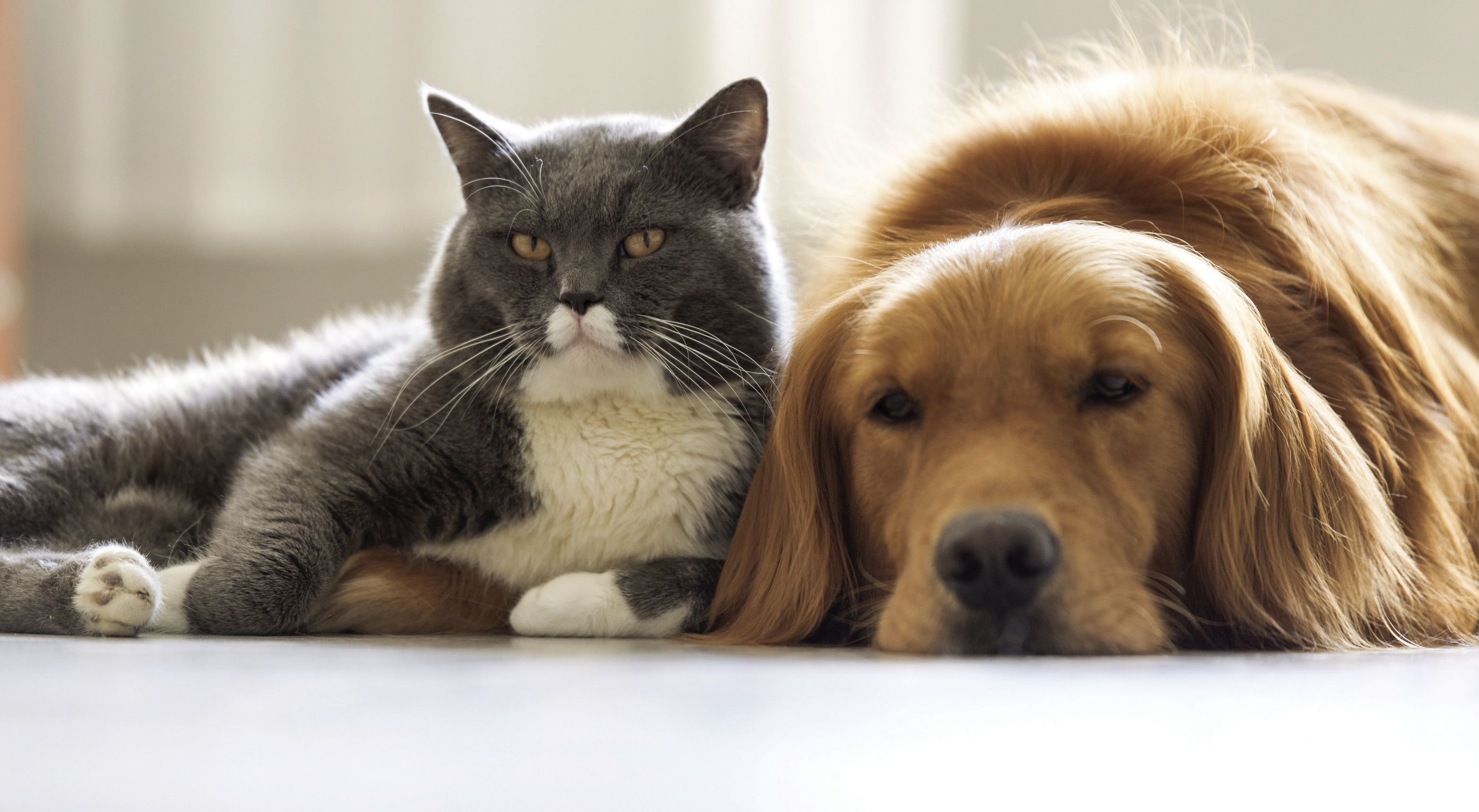
Why do so many people think they “hate” cats, or at least assume they do?
Usually, it’s not hatred at all, but a simple misunderstanding.
Unlike dogs, cats don’t greet us with wagging tails or slobbery kisses, so we tend to label them as aloof, indifferent, or even arrogant.
But cats aren’t antisocial; they’re just subtle. If you take the time to learn their language, a whole new kind of companionship becomes possible. Once you know what to look for, cats reveal a side of themselves you might not expect—and it all starts with how they communicate.
MEOWS, BLINKS, AND THE BATHROOM
Cats have quietly woven themselves into human life in fascinating ways, often without us even realizing how intentional that bond is. Take meowing, for example: adult cats rarely meow at each other. That sound is mostly reserved for people.
Or consider the cat that scratches at the bathroom door while you’re inside. It’s not because they’re needy, but because they prefer sharing space. To a cat, companionship doesn’t always mean interaction. Sometimes it just means being near you.
HOW CATS SHOW LOVE
Here’s a surprising truth: Cats are far more emotionally intelligent than they’re often given credit for. They communicate with each other through scent, posture, and silence, but with people, they’ve learned a whole different playbook.
Meows, slow blinks, tail positions, and gentle head-butts are all part of it.
That slow blink? It’s a sign of trust and affection. Blink back, and you’re speaking fluent cat.
Cats also pick up on human emotions in ways we might miss. They read tone of voice, body language, and even subtle stress-related scents. While dogs tend to respond with obvious enthusiasm or concern, cats offer their people quieter support: sitting nearby, purring softly, or rubbing against your legs. It’s not indifference. It’s a kind of gentle attentiveness that’s all feline.
DOG PEOPLE MIGHT ALSO BE CAT PEOPLE
Speaking of “their person,” cats choose the humans they attach to differently than dogs do. As pack animals, dogs tend to gravitate toward leadership and overt attention. Cats, however, choose favored companions based on calm energy, consistency, and respect. The person who feeds them on time, understands their boundaries, and doesn’t force affection usually wins their loyalty. It’s less about dominance and more about trust. Cats also come with practical perks.
They’re clean, quiet, low-maintenance, and well-suited to apartment living.
They don’t need walks, groom themselves, and provide endless entertainment with their playful, often ridiculous antics (zoomies, anyone?). Their purring has even been linked to stress reduction and lower blood pressure in people.
THE TAKEAWAY?
Cats aren’t trying to be dogs, and that’s exactly the point. With a little patience and understanding, cats reveal themselves as affectionate, funny, emotionally attuned companions. You can still love dogs. But don’t be surprised one day if a cat becomes the best friend you never knew you needed.
(Photo credit: Photo by © Easton Chen | Dreamstime.com)