
For years, residential solar power has been limited to suburban homeowners who have the space and financial resources to invest in permanent, roof-top installations. But a new form of renewable energy is beginning to attract attention across the United States.
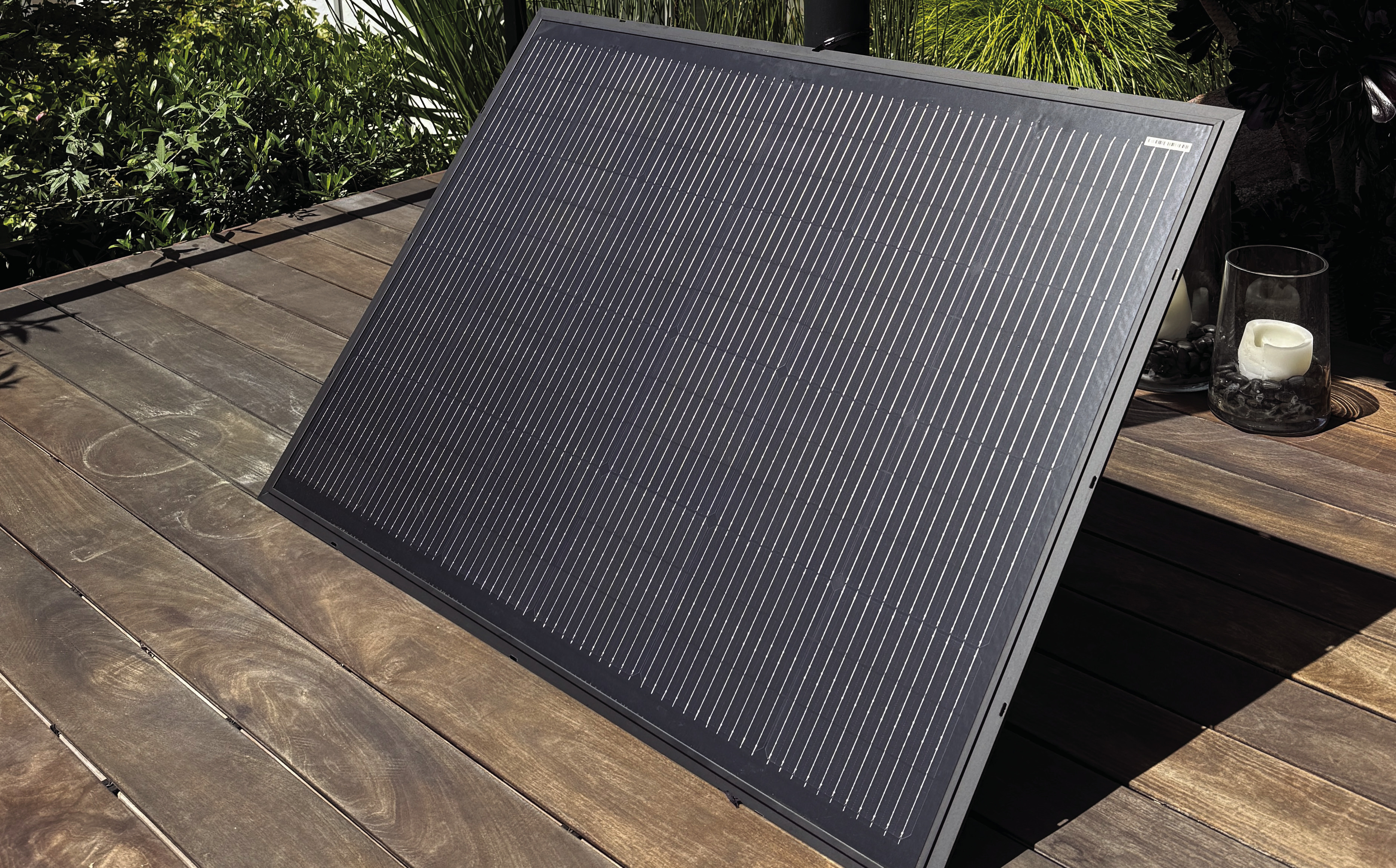
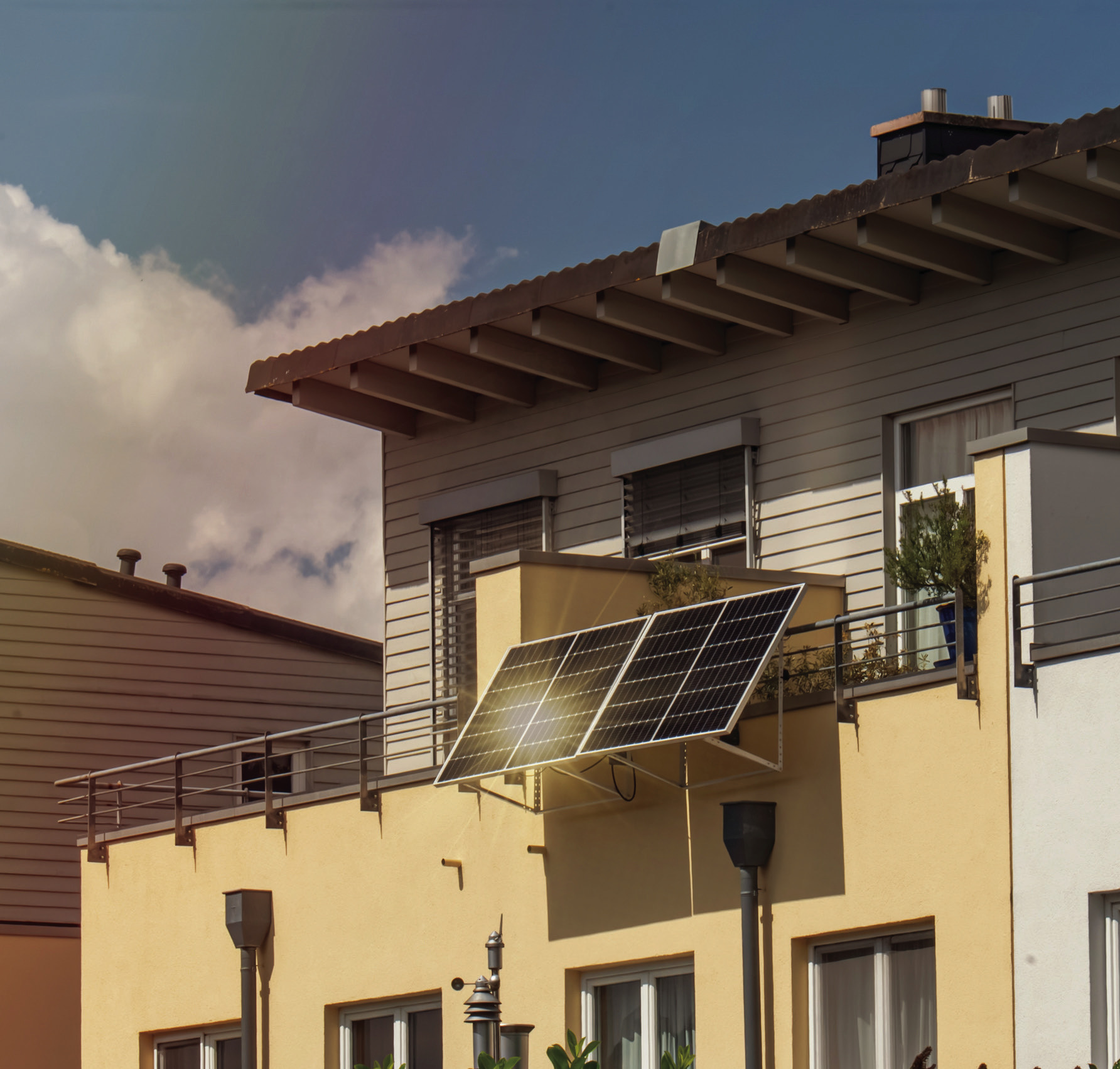
Known as “balcony solar” or “plug-in solar,” these compact systems typically consist of one to three solar panels plugged into a standard household outlet and mounted on a balcony railing, patio, fence or other sunny location. The electricity generated by the panels is converted through a microinverter and fed through the outlet, helping reduce the amount of power a home draws from the utility grid.
The appeal of balcony solar is simple: accessibility.
Traditional rooftop solar systems often require permits, professional installation and significant upfront costs. Balcony solar systems are smaller, portable and generally less expensive, making them attractive to renters, apartment residents and condominium owners who previously had few options for generating their own renewable energy.
Some vendors are now selling balcony solar kits to California residents.
While it depends on the location of the panel and a resident’s usage, a typical 400-800 watt system would cost $500 $1500; experts estimate that a California resident may save $250 on electricity bills per year. The cost of electricity in California is approximately 34 cents per kilowatt-hour, at least 70% higher than the national average.
While the concept has been widely adopted in Europe, particularly in Germany, where more than one million systems have been installed, it is only now beginning to gain momentum in the United States.
“Balcony solar is an emerging technology with the potential to provide new options for residential participation,” Pranesh Venugopal, Energy Programs Manager with Orange County Power Authority, said. “As a not-for-profit clean energy provider, clean energy access is core to our mission. We are following balcony solar closely with the hope that this innovative solution can allow more people to play an active role in California’s clean energy transition.”
Under current law, plug-in panels would be subject to formal approval processes.
Thirty states have proposed legislation legalizing and regulating the plug-in panels; five states have signed these measures into law, with an additional four awaiting a governor’s signature. Utah was the first to legalize its use in 2025, followed by Maine in April 2026.
In California, SB 868 passed the State Senate by a vote of 35-1 in May 2026. If signed into law, the bill would exempt the portable devices from typical utility requirements and regulations, though users would still be required to notify the electrical corporation if a device is in use.
UL Solutions, an applied safety testing and certification organization, announced earlier in 2026 that it had developed a testing and certification program specifically for plug-in solar systems. No plug-in systems are known to have received the UL 3700 certification.
Yet, even for states that have adopted preliminary legislation to allow for the use of the devices, safety concerns continue to be raised. For instance, some households may have older or poorly-maintained electrical systems, in which the panels cannot be safely used. Homeowners would also have to consider circuit overloading and whether their outdoor outlets are properly protected and compatible.
Normally, a standard outlet transfers power from the energy grid directly to the plugged-in device. However, balcony solar reverses the flow by pushing power into the outlet; therefore, electricity can still flow through a household’s wiring when power appears to be off.
As a result, some experts warn that electrical workers could be put at risk during repairs, especially if they believe a circuit is dead but plug-in panels are still pushing electricity through the wiring.
Therefore, the burden of safety would significantly shift to the consumers themselves.
A US Department of Energy report found no reported safety incidents for customers in Germany who used the panels according to manufacturers’ instructions. However, in Illinois, a similar piece of legislation stalled after representatives for the International Brotherhood of Electrical Workers expressed concern about electrician safety.
“SCE supports the goal of expanding clean energy access but opposes SB 868 unless amended to include basic safety requirements, utility notification, a clear prohibition on exporting power and alignment with California’s interconnection standards,” Southern California Edison spokesperson Diane Castro wrote in a statement. “We have a shared responsibility to protect public safety and grid reliability as new products enter the market.”
Supporters of the technology have pushed back on the concerns.
Rupert Mayer, Co-Founder and Technical Director of Bright Saver, a nonprofit focused on expanding plug-in solar access said, “It is important to put the utility industry’s alarmist rhetoric about endangering electrical workers into perspective: all legitimate plug-in solar systems use grid-following, UL 1741 certified and IEEE 1547 compliant inverters that are required to shut down in less than 2 seconds when the grid goes down. This prevents consumers from shocking themselves on the plug’s prongs when the system is unplugged, making it an essential and inherent safety feature of the technology and ensuring lineman safety alike.”
SB 868 must pass the California State Assembly before heading to Governor Gavin Newsom for his signature.
Photo by © Snapshot Freddy | Dreamstime.com