
Longtime Southern California residents know the feeling of an earthquake: the rumbling, sometimes rolling, motion that can strike anytime, anywhere.
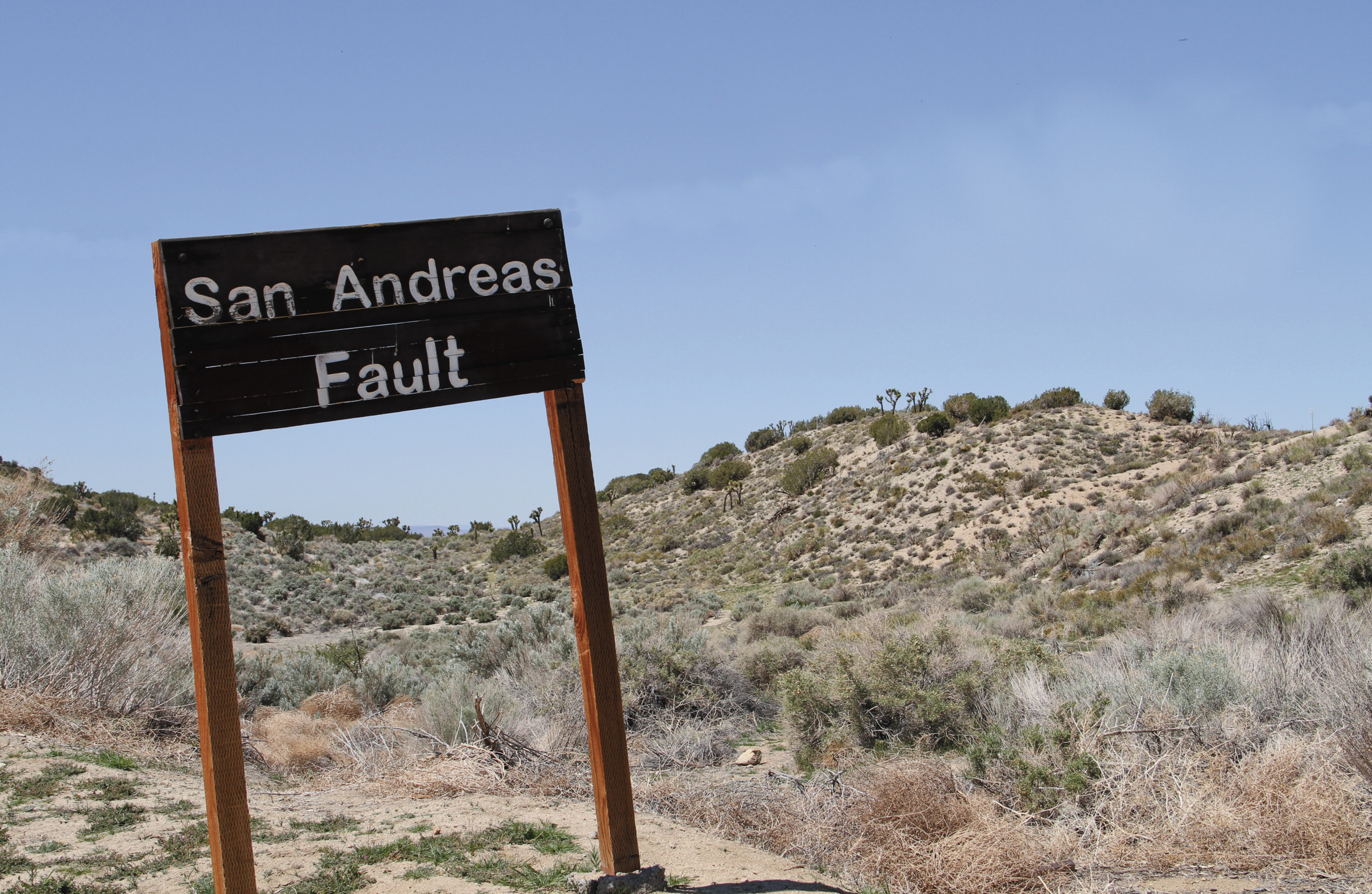
Southern California is overdue for a major earthquake, according to recent geological research. Stress along the San Andreas and San Jacinto faults may be at a 1,000-year high, while other forecasts put the likelihood of a magnitude 6.7 or greater earthquake in the region at 93% within a 30-year span.
Many who attended school in the region have prepared for an earthquake during the Great California ShakeOut, an annual safety drill held on the third Thursday of October.
This year, on Oct. 15, millions of people in participating schools and workplaces across California will drop, cover, and hold on.
But experts emphasize that earthquake preparedness should extend beyond drills at school or work.
“We need to think about what challenges we’re going to have if all of our normal resources and routines are disrupted and come up with solutions to those challenges because they are different for every single household,” said Kimberly Aufrecht, who manages regional preparedness with the American Red Cross in Southern California.
Aufrecht recommends that families walk through the home with children to identify safe hiding spots in the event of an earthquake, and follow the same routine when visiting other places — such as movie theaters or theme parks.
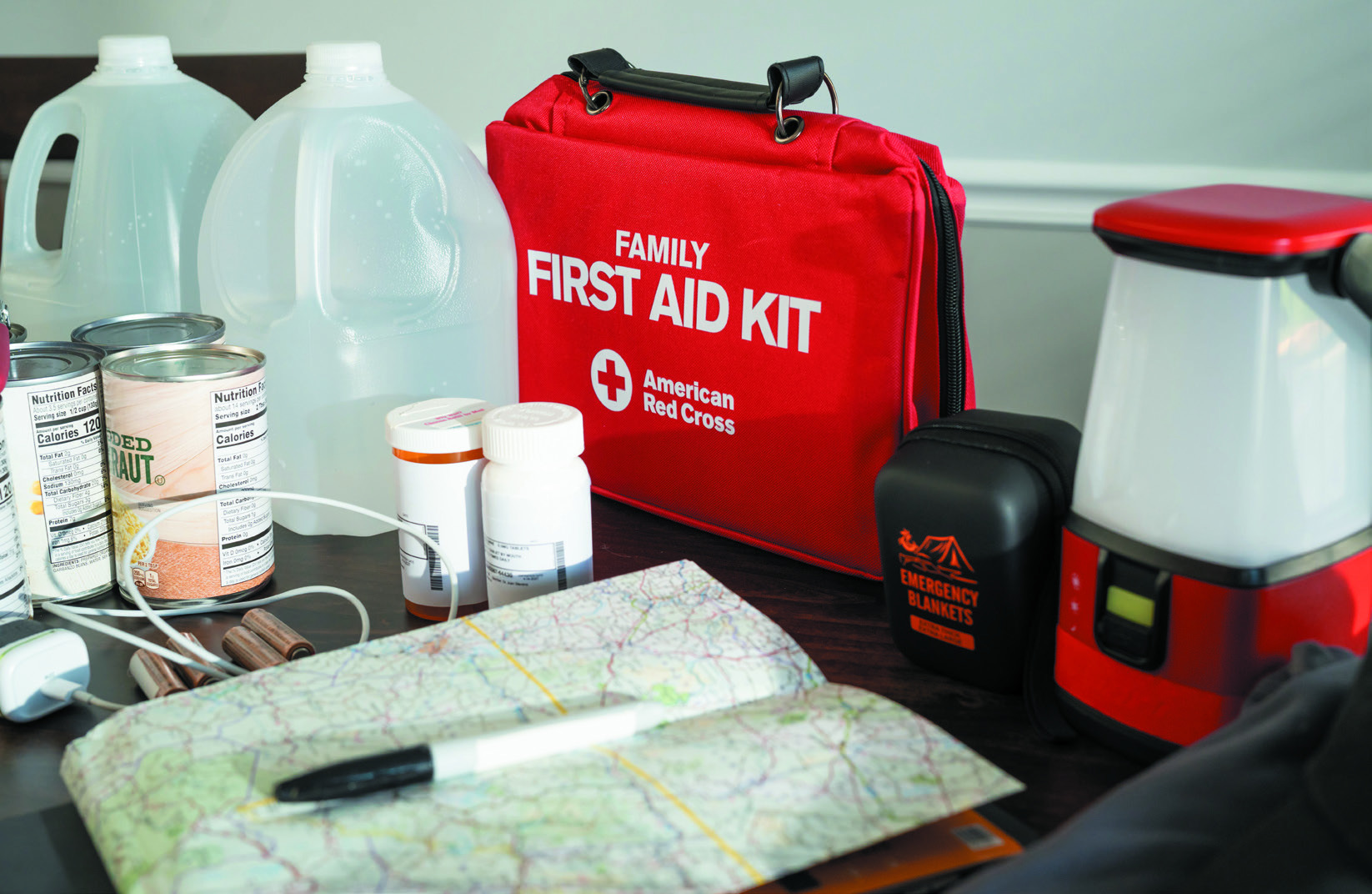
Households should have three days — or ideally up to two weeks — of emergency supplies, Aufrecht said. That includes water, shelf-stable food, a first aid kit, medications, flashlights, an emergency radio and specific supplies
Photo by © Davetroesh | Dreamstime.com
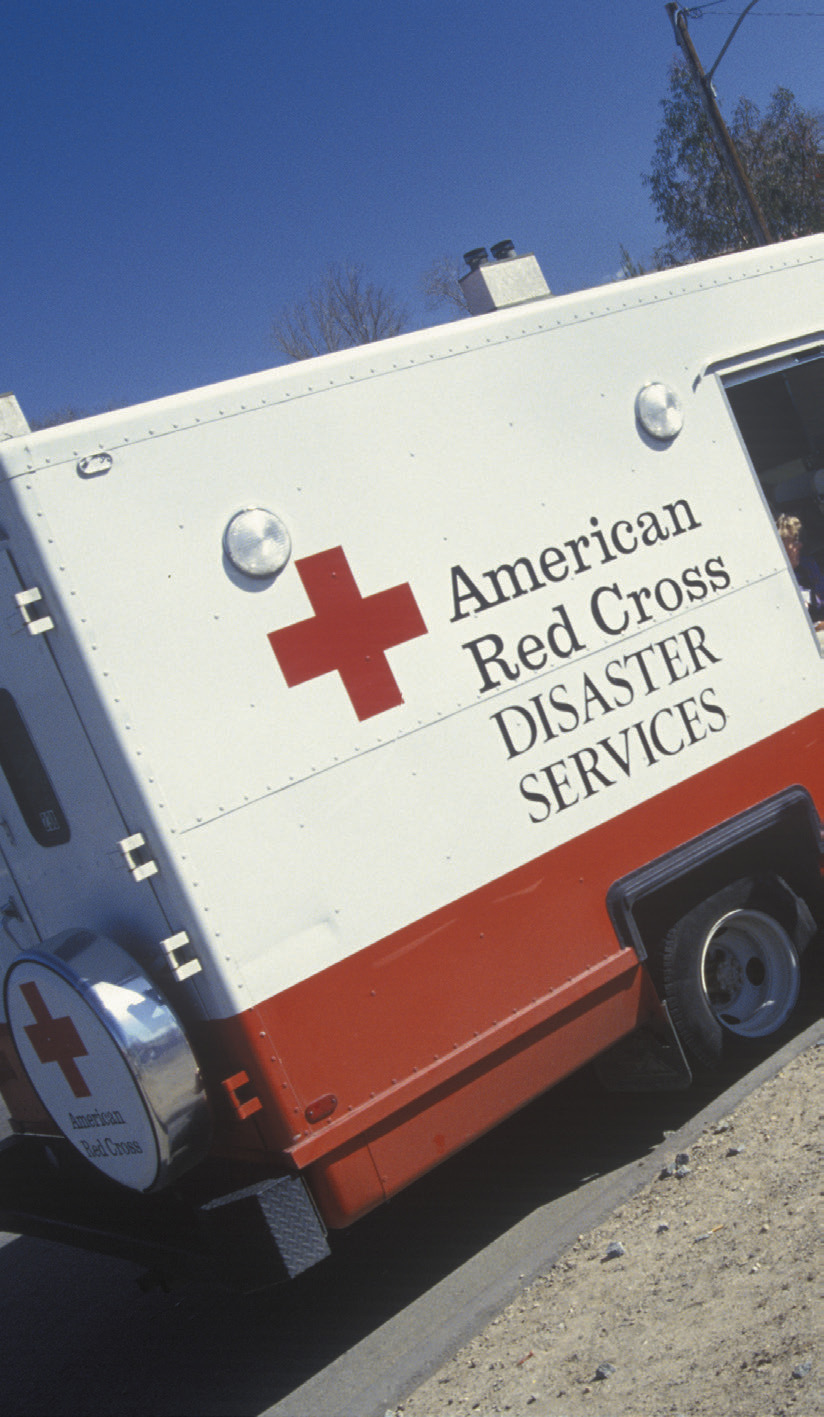
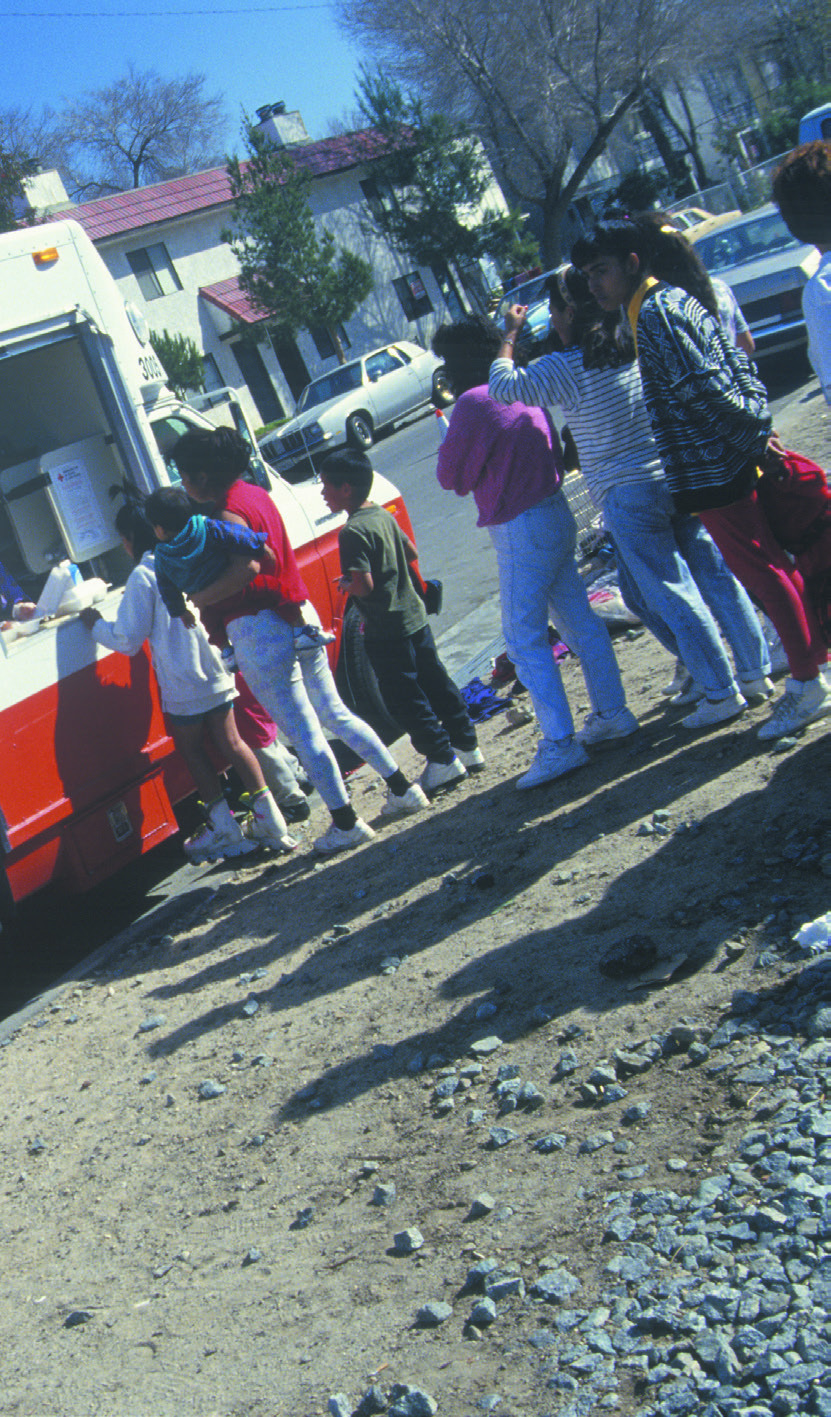
American Red Cross Disaster Service vehicle handing out supplies to people after the 1994 Northridge earthquake. Photo by © Joe Sohm | Dreamstime.com like diapers or comfort items for young kids.
Kevin McArthur, assistant emergency manager with the Orange County Sheriff’s Department’s Emergency Management Division, encourages residents to add home, school and work addresses on AlertOC.gov, the county’s mass emergency notification system, to receive location-specific disaster alerts.
Beyond kits and alerts, parents often overlook preparing the home itself. Most home insurance policies do not cover earthquake damage, according to the California Earthquake Authority.
“For most of us in California, our largest investment, our nest egg, our generational wealth, is tied up in those homes, and an earthquake poses a real threat to that,” CEA spokesperson Ben Deci said.
Heavy items such as televisions and bookcases should be secured to the walls, according to UC Irvine professor Dr. Lisa Grant Ludwig, who studies earthquake risk-reduction policies.
A major earthquake could ripple across the county and disrupt deliveries and daily life, said Mark Benthien, director of public education and preparedness at the Statewide California Earthquake Center.
That risk isn’t hypothetical: the Puente Hills fault — which runs from northern Orange County through downtown Los Angeles and can reach magnitude 7.2 to 7.5 — produced a 2014 magnitude 5.1 quake that knocked out power, ruptured water mains, triggered rock slides and scattered broken glass across La Habra, leaving some homes uninhabitable.
By the coast, the Newport-Inglewood fault runs through Huntington Beach, Costa Mesa and Newport Beach before heading offshore, and is capable of quakes between magnitude 6.0 and 7.4.
The fault’s last major rupture was the 1933 magnitude 6.4 Long Beach earthquake, which was centered just offshore of Huntington Beach and one of the deadliest in modern Southern California history with 120 deaths. Because a coastal quake could trigger a tsunami, Ludwig advises anyone near the shoreline who feels shaking to move inland.
The area remains seismically active, with a magnitude 3.4 quake centered in Huntington Beach in 2023 felt in Fountain Valley, Costa Mesa and Newport Beach.
Additionally, state earthquake maps indicate Fountain Valley is at risk of liquefaction, where soil may soften and crack roads and building foundations.
Still, preparedness extends beyond a particular fault line.
“As parents, we want our children to be safe, and earthquake preparedness is an important part of that, to keep our kids safe and empower them to do what they can and to feel safe by knowing what to do,” Ludwig said. “There’s a lot of things that we can’t control, but knowledge is power, and can give you and your family a sense of security.”
Outside of participating in the Great California ShakeOut, families can learn more at the “Be Red Cross Ready” event in Santa Ana on October 15. Learn more by scanning this QR code: