
My daughter is nine. She’s smart and funny, and she has strong opinions about everything from her clothes to the books she reads. For a long time, though, getting her to read felt like trying to sell her something she absolutely did not want to buy.
I tried everything: offering rewards, setting timers, sitting with her, leaving her alone, picking books I thought she'd love and taking her to the library. I even created a sweet little reading nook in the living room.
Nothing stuck — until the day a friend let her borrow a Baby-Sitters Club graphic novel. That was over a year ago, and she’s still reading them. She reads them everywhere, and definitely past her bedtime with a flashlight, which I’m choosing to see as a win.
Here’s what I’ve learned: the kids who “hate reading” usually don’t hate reading. They hate being handed the wrong book and being told they have to read it.
Reading resistance is common, and it almost always comes from one of a few places — the books feel too hard, too boring, or too much like homework. The fix isn’t pushing harder; it’s getting out of the way and letting them find their thing.
LET THEM CHOOSE
This is the hard one for parents because kids will sometimes choose something that seems too easy, too silly, or frankly a little weird. Let them. A child who chooses their own book has already done the hardest part — they’ve decided reading might be worth their time. That’s huge.
GRAPHIC NOVELS COUNT— ACTUALLY, THEY’RE GREAT
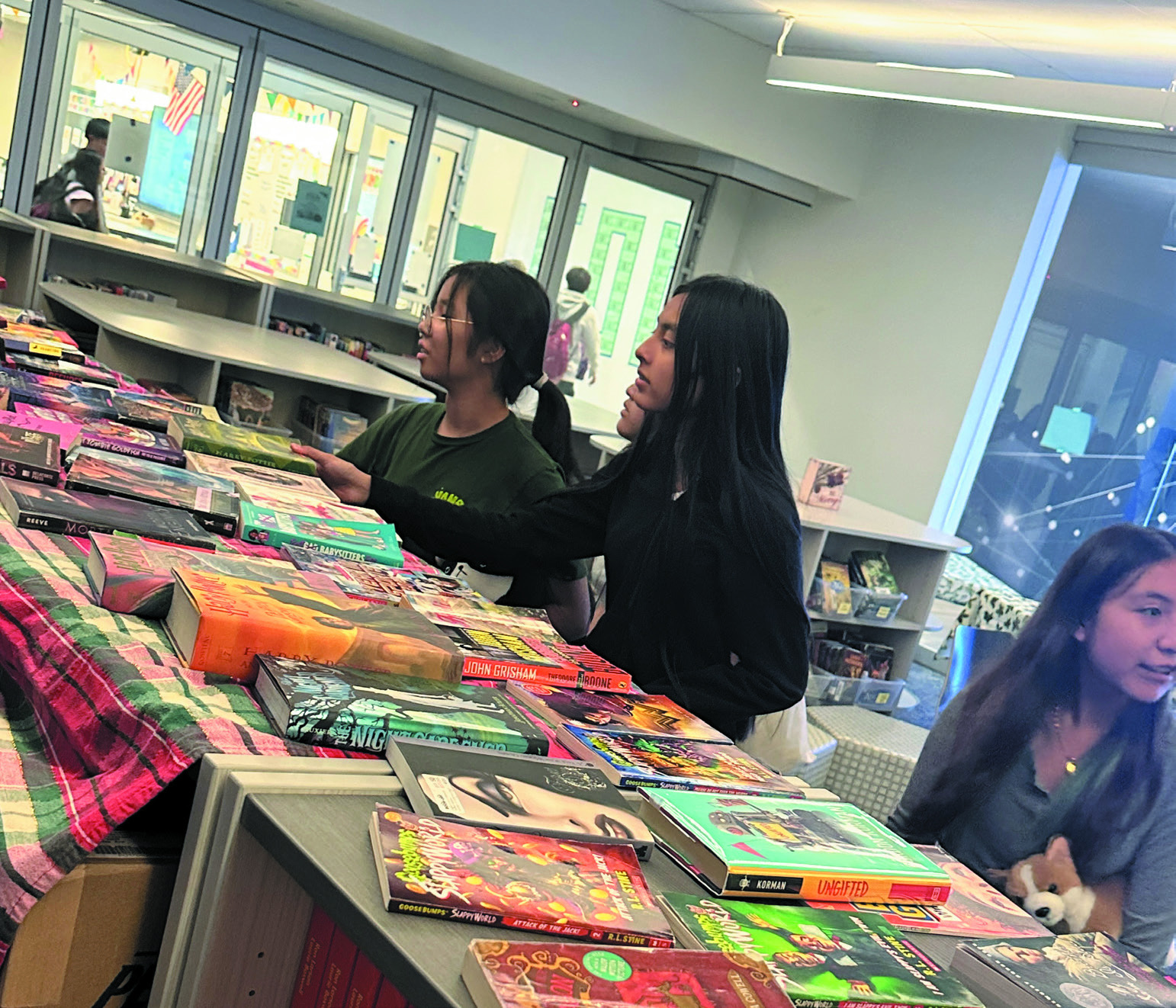
There’s this idea that graphic novels aren’t real reading, but they build vocabulary, comprehension, and, most importantly, the habit of wanting to pick up a book. The Baby-Sitters Club, Dog Man, Big Nate, Smile, Diary of a Wimpy Kid — if your kid will read it, it counts.
AUDIOBOOKS COUNT TOO
Listening to a story is still experiencing a story. For reluctant readers especially, audiobooks can unlock a love of narrative that eventually translates to the page. Let them listen without the guilt — in the car, at bedtime, or while they draw.
Read to them, even when they’re older.
There’s a tendency to stop reading aloud once kids can read independently. But continuing to read together keeps the experience warm and low-pressure. It’s also a nice way to wind down at the end of a long day.
BACK OFF THE CLOCK
Timed logs and mandatory minutes can turn reading into a chore. If the goal is to raise a reader, it’s important to make reading feel like a choice, not a demand.
The truth is, most reluctant readers come around. They just need the right book at the right moment. Your job isn’t to make them love reading on your timeline but to keep the door open until they walk through it themselves.
Photo by Huntington Beach Public Library